Project
Car Restoration
A pandemic project: restoring a 1960s Chevrolet Corvair from a rough survivor car to a fresh coat of paint.
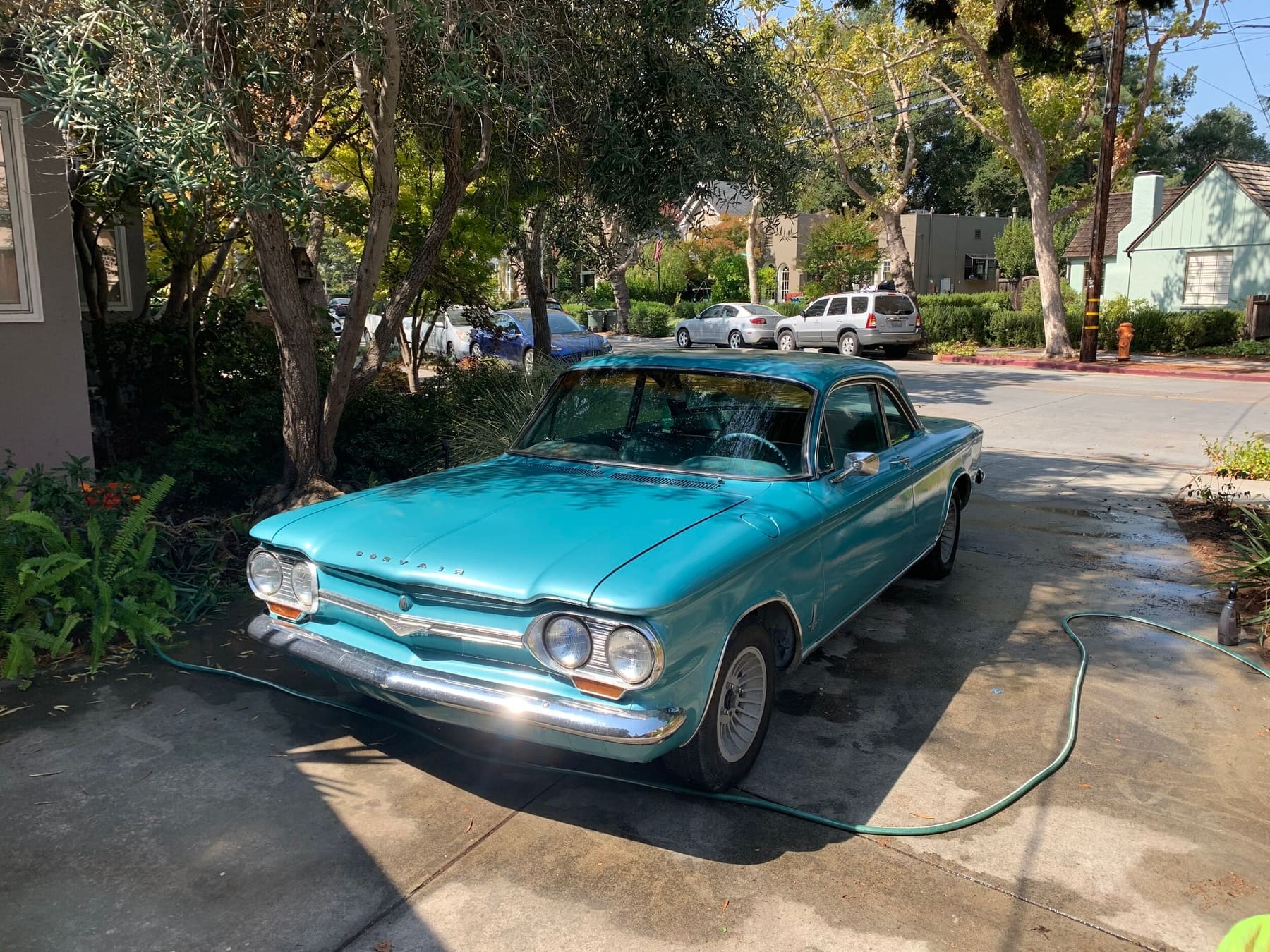
At the start of the COVID lockdown, I was looking for a project to work on. After years of building smaller vehicles in high school, it felt like time for something more practical. I liked the look and simplicity of 60s cars, and settled on the Corvair for being air-cooled with independent suspension. I found a car that had almost all the parts I'd need, and that became my summer project.
At first, I focused on getting the car driving: fully rebuilding the brakes with modern parts, getting the engine running well, rebuilding the transmission, going through and fixing the electrical system, modernizing the shock absorbers, and rebuilding the throttle and shift linkages. I then took the paint down fully to the primer level, did the bodywork, and sprayed an original one-stage paint.
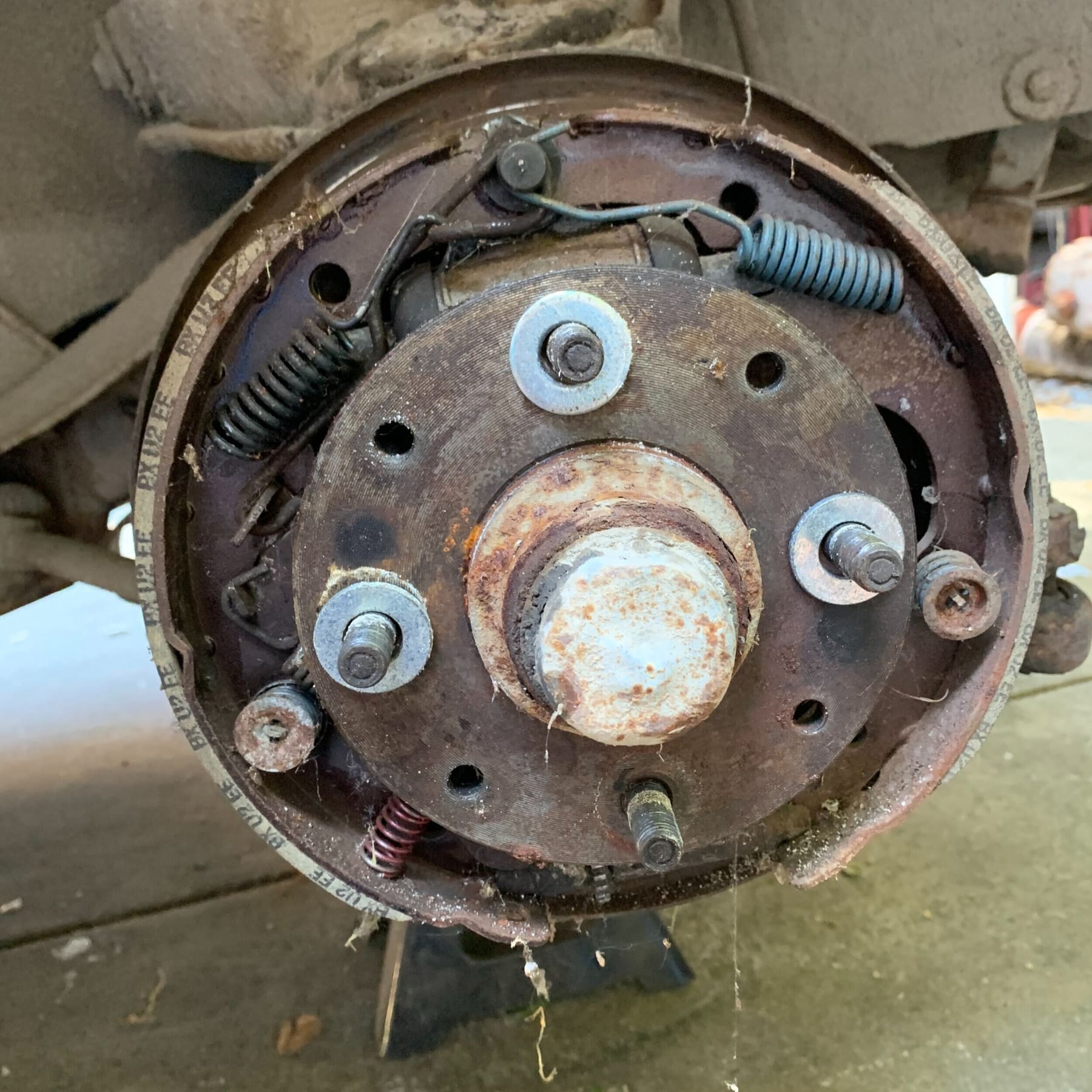
Dirty and Outdated
The car came with old, rusted brake shoes, leaky wheel cylinders, and springs that had lost their spring — even getting the car off the trailer was a challenge with them.
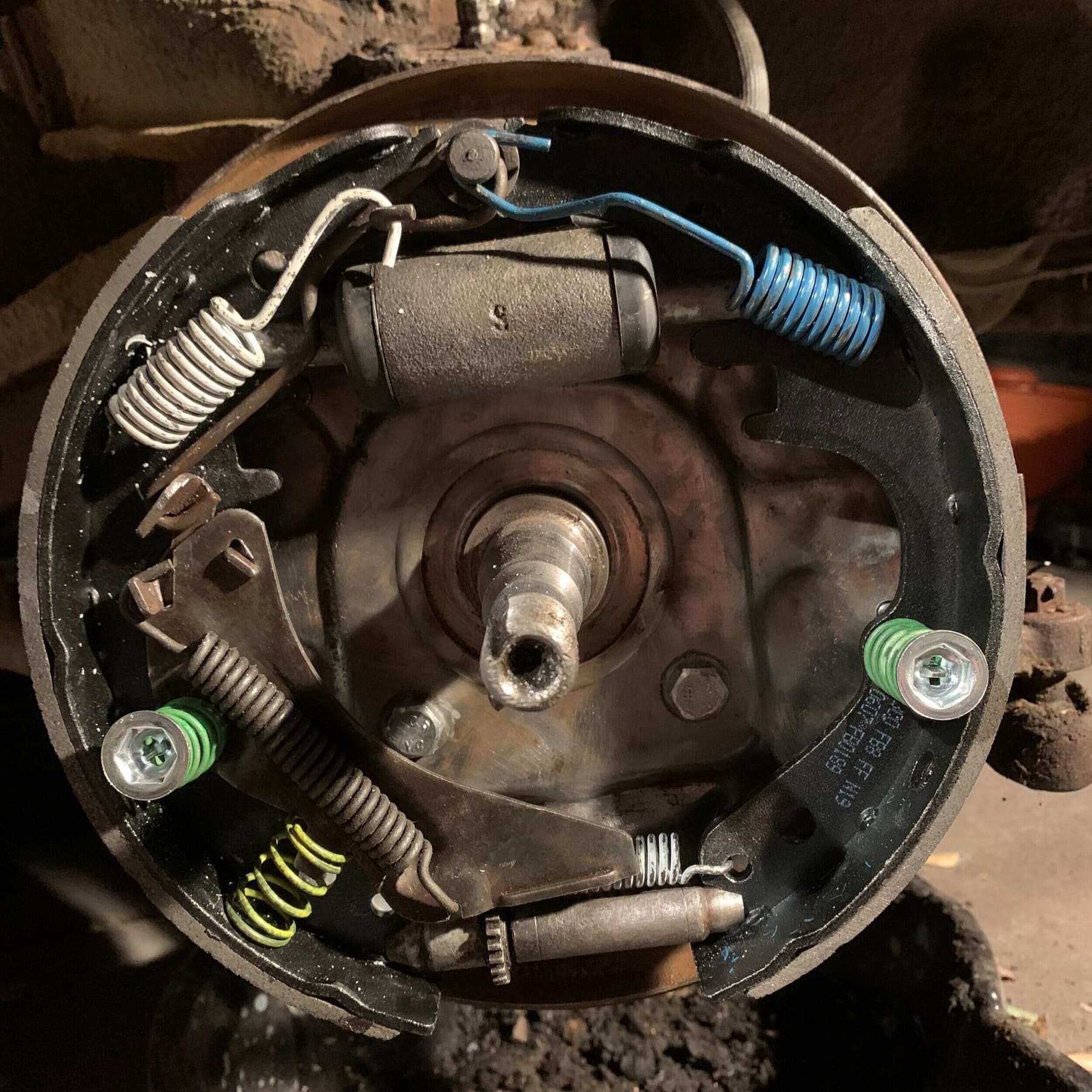
Cleaned and Updated
Cleaning all the corrosion off the backing plate took a copious amount of wire brushing and brake cleaner. The brakes were then rebuilt with modern shoes and cylinders, and the drums were resurfaced — the result was a car with great braking characteristics.
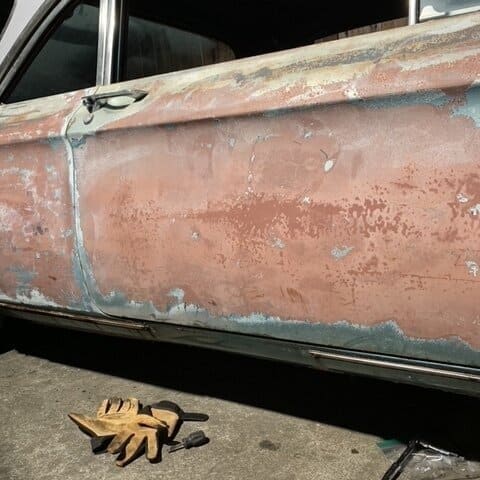
Strip
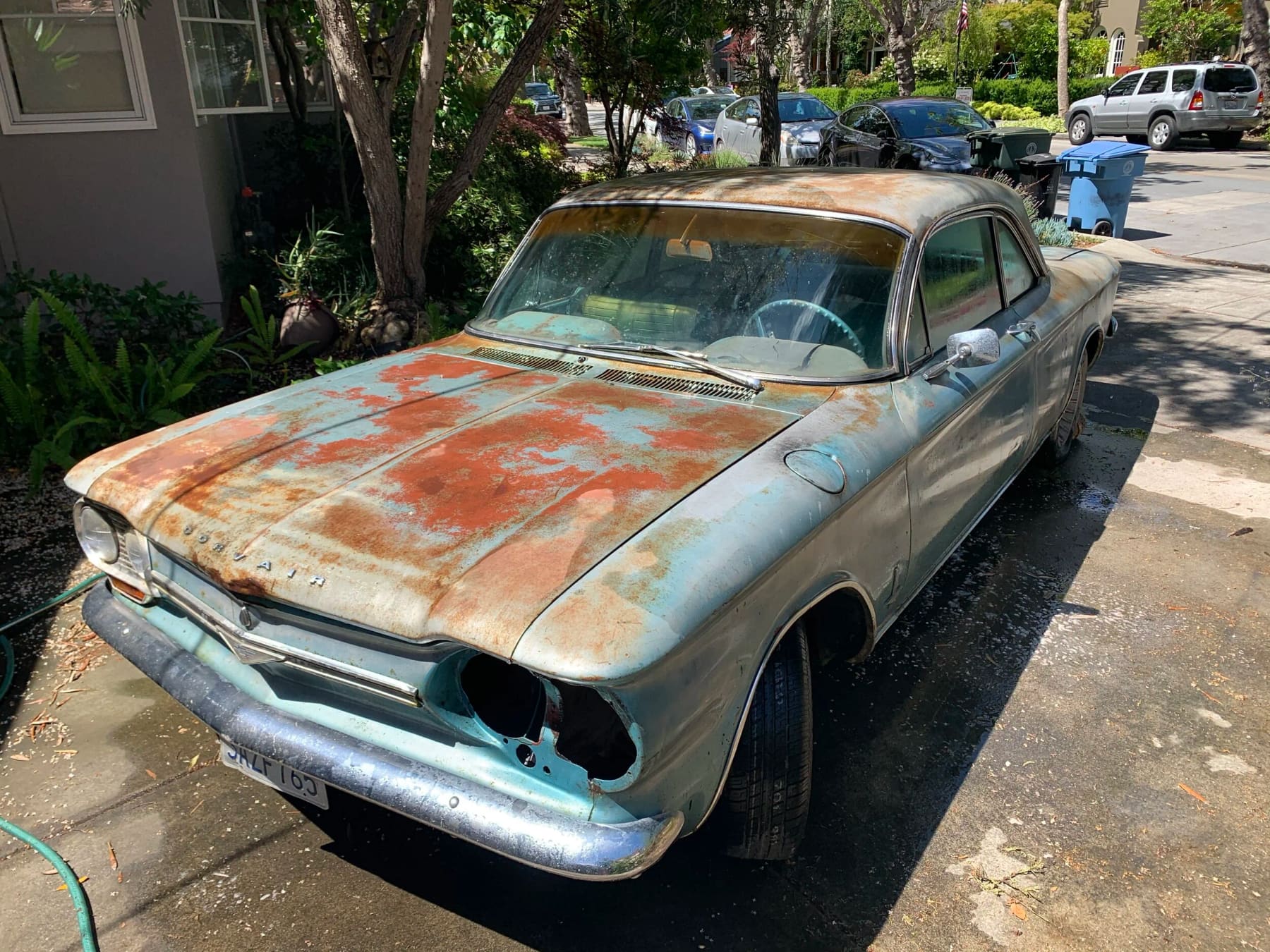
I started the bodywork with a chemical paint stripper to remove most of the paint — ideal because it left the original zinc-based primer intact.
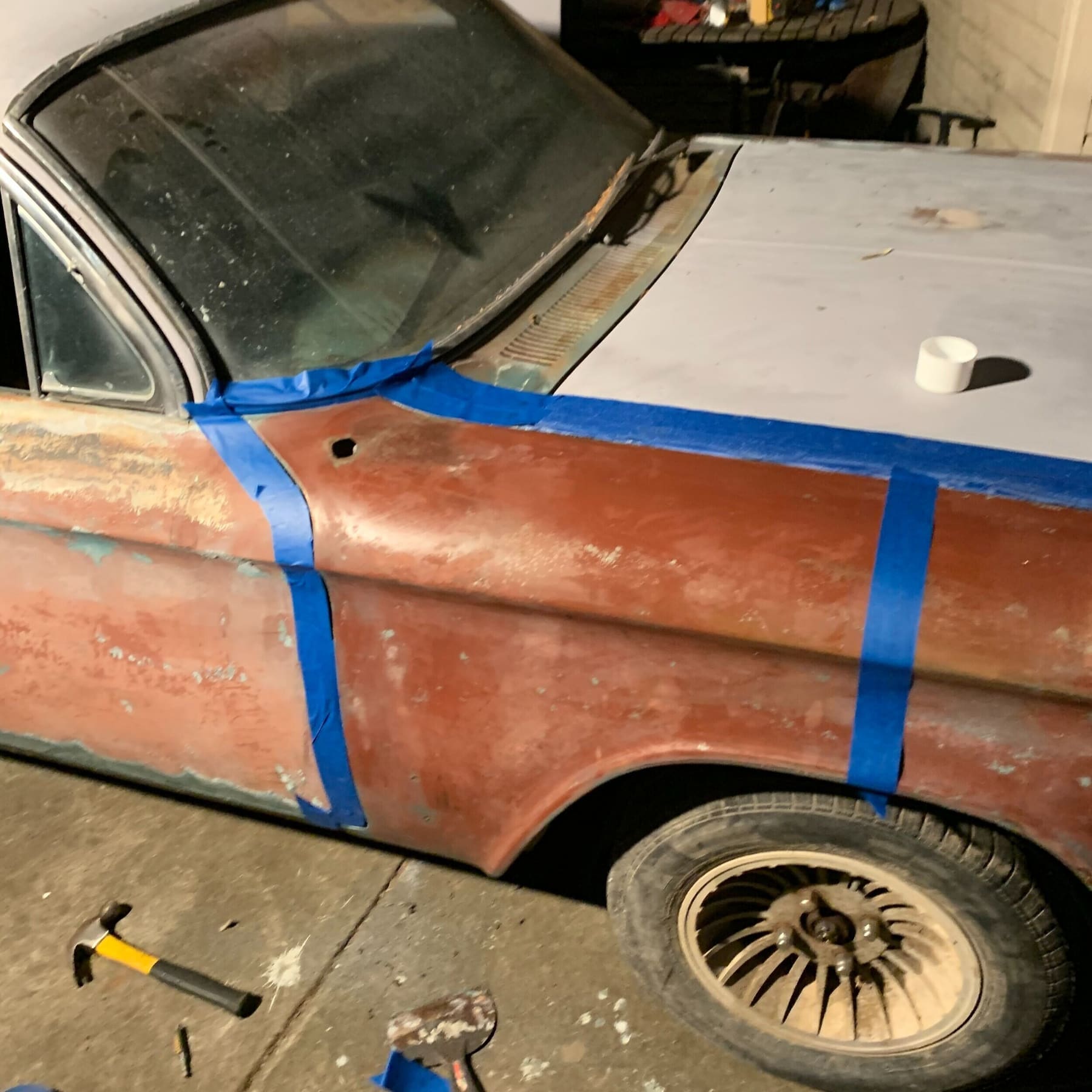
Sand
I used fine-grit sandpaper to smooth the old primer, and body filler wherever a section needed it.
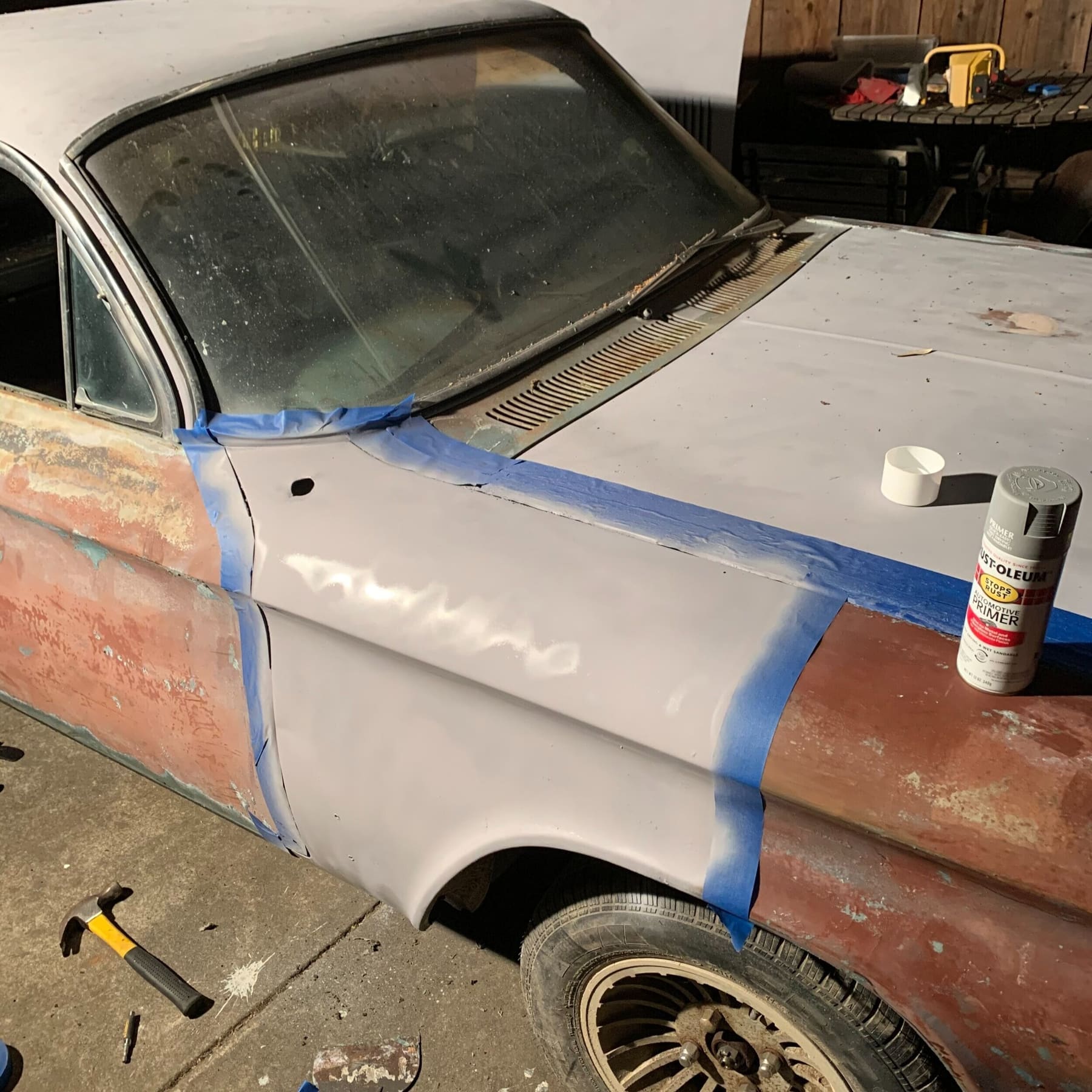
Prime
I used a spray-can automotive primer, which worked great because it was cheap and meant I didn't need a full paint booth set up for weeks.
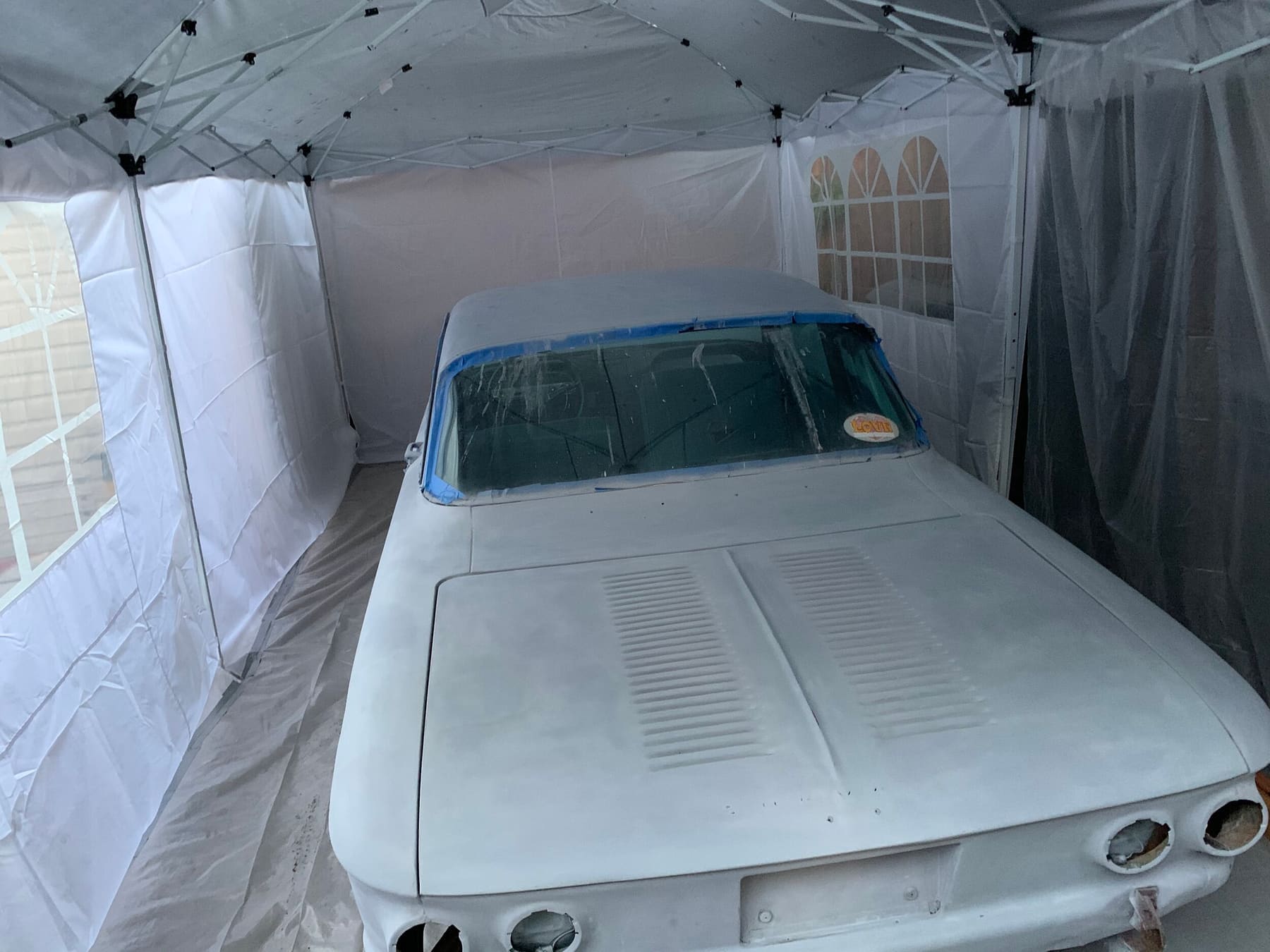
Fully Prepped
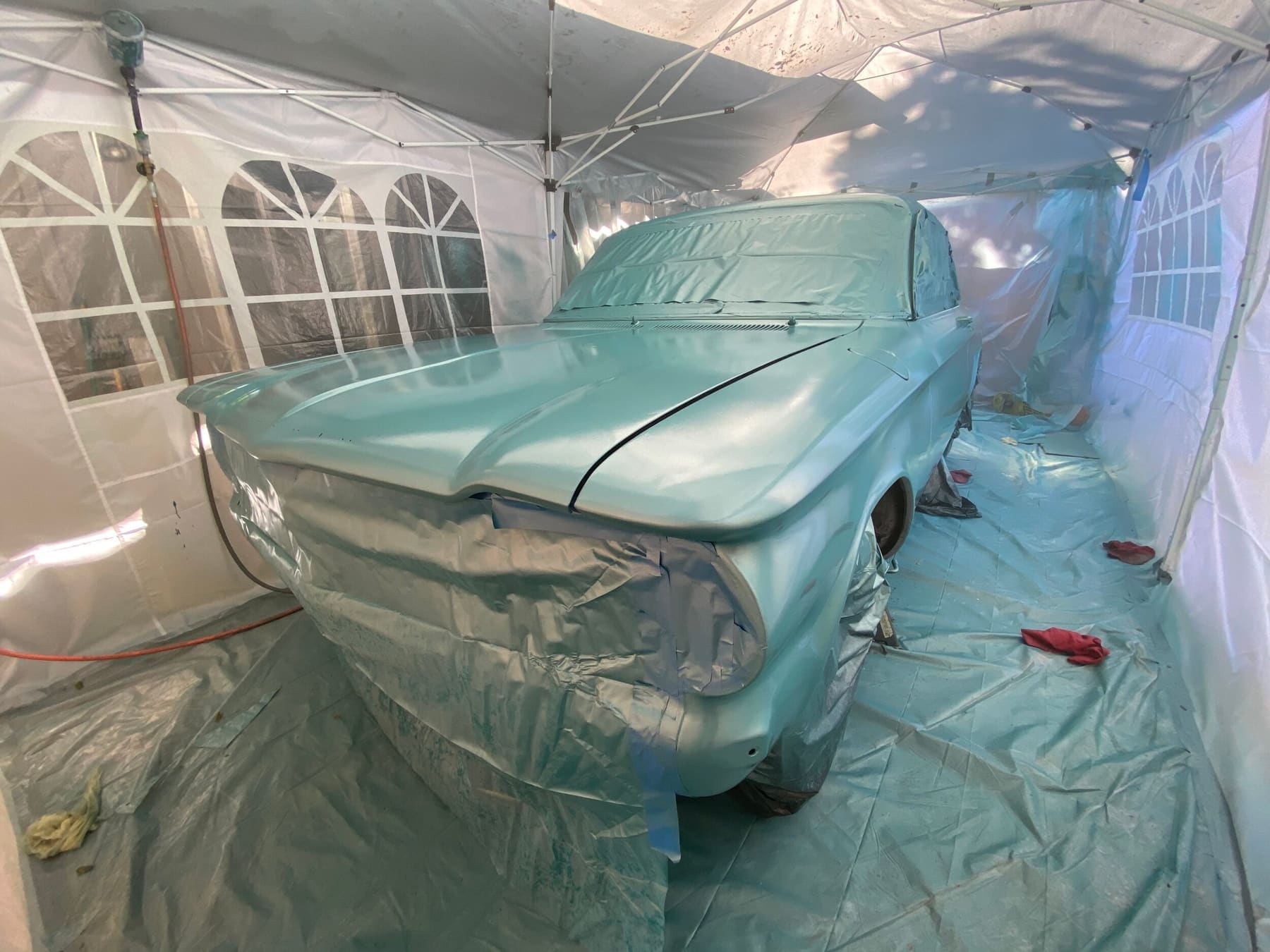
Once the car was fully primed, a Walmart "party tent" became the paint booth, followed by one final round of light wet sanding and masking.
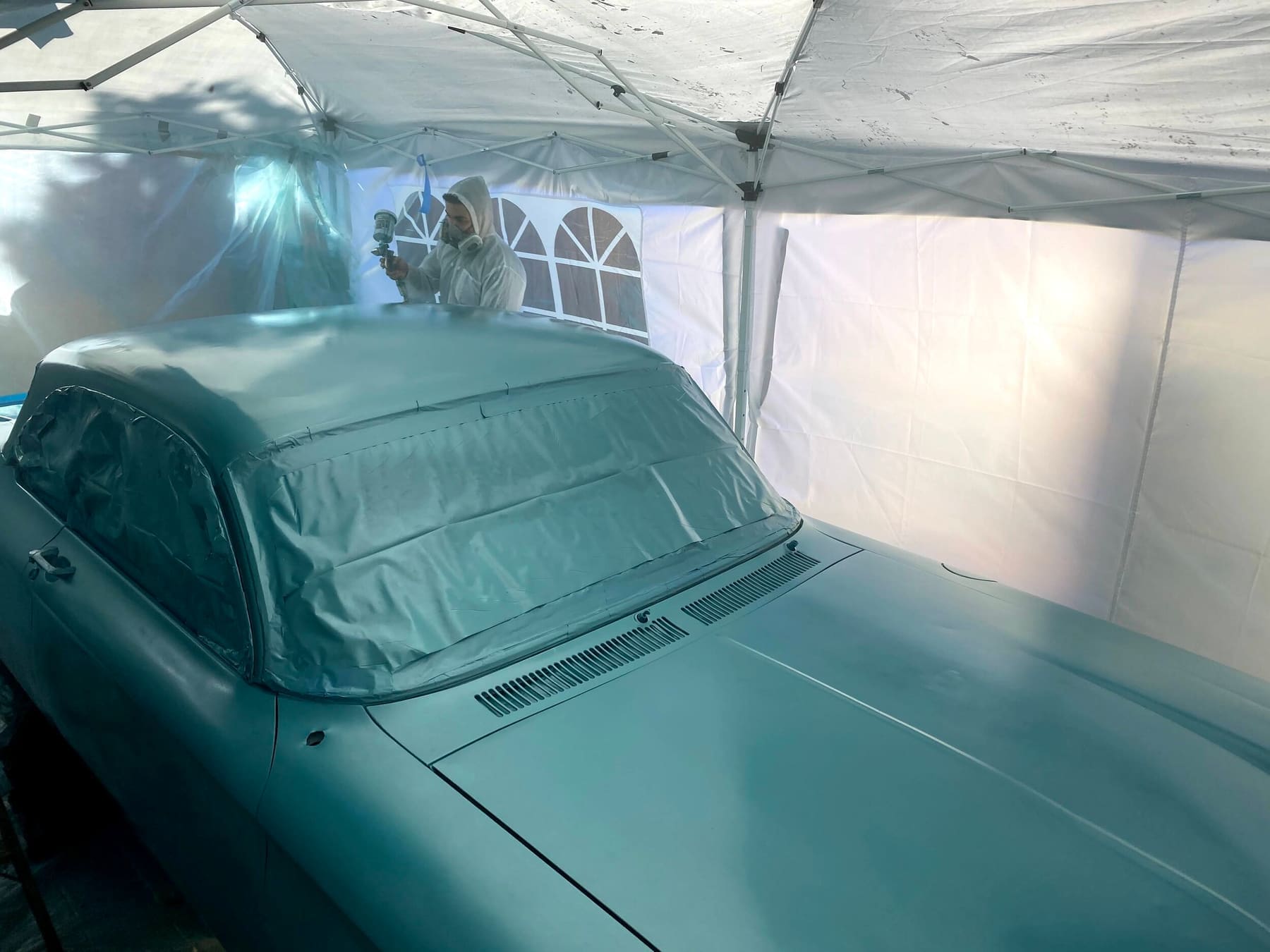
Painting
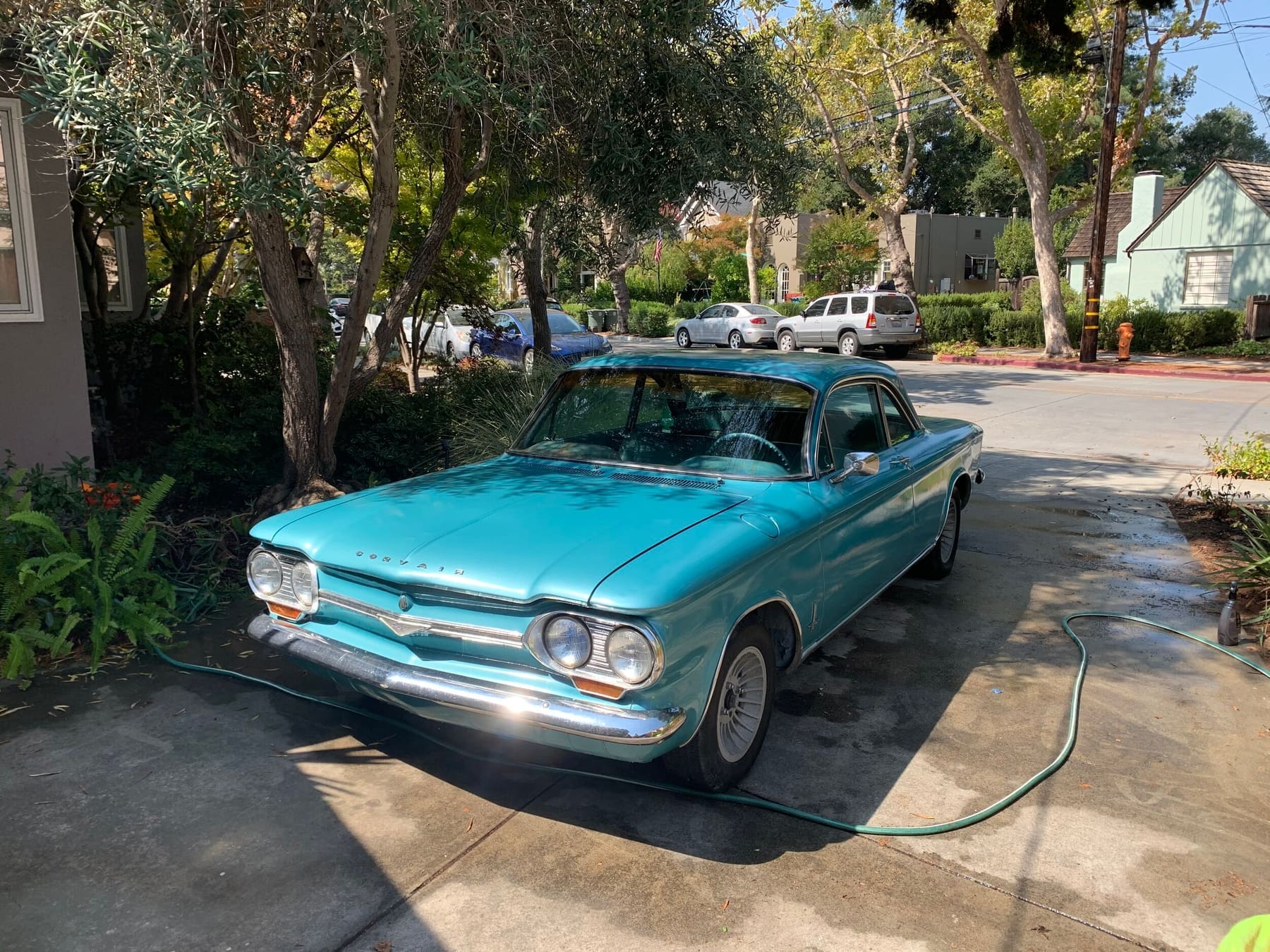
Since I was running several small compressors, there was an air shortage while painting — I had to go slowly to keep enough air pressure. Given the imperfect painting setup, the paint turned out great. If I did it again, I'd use a bigger sanding block, since some waves show through the paint.
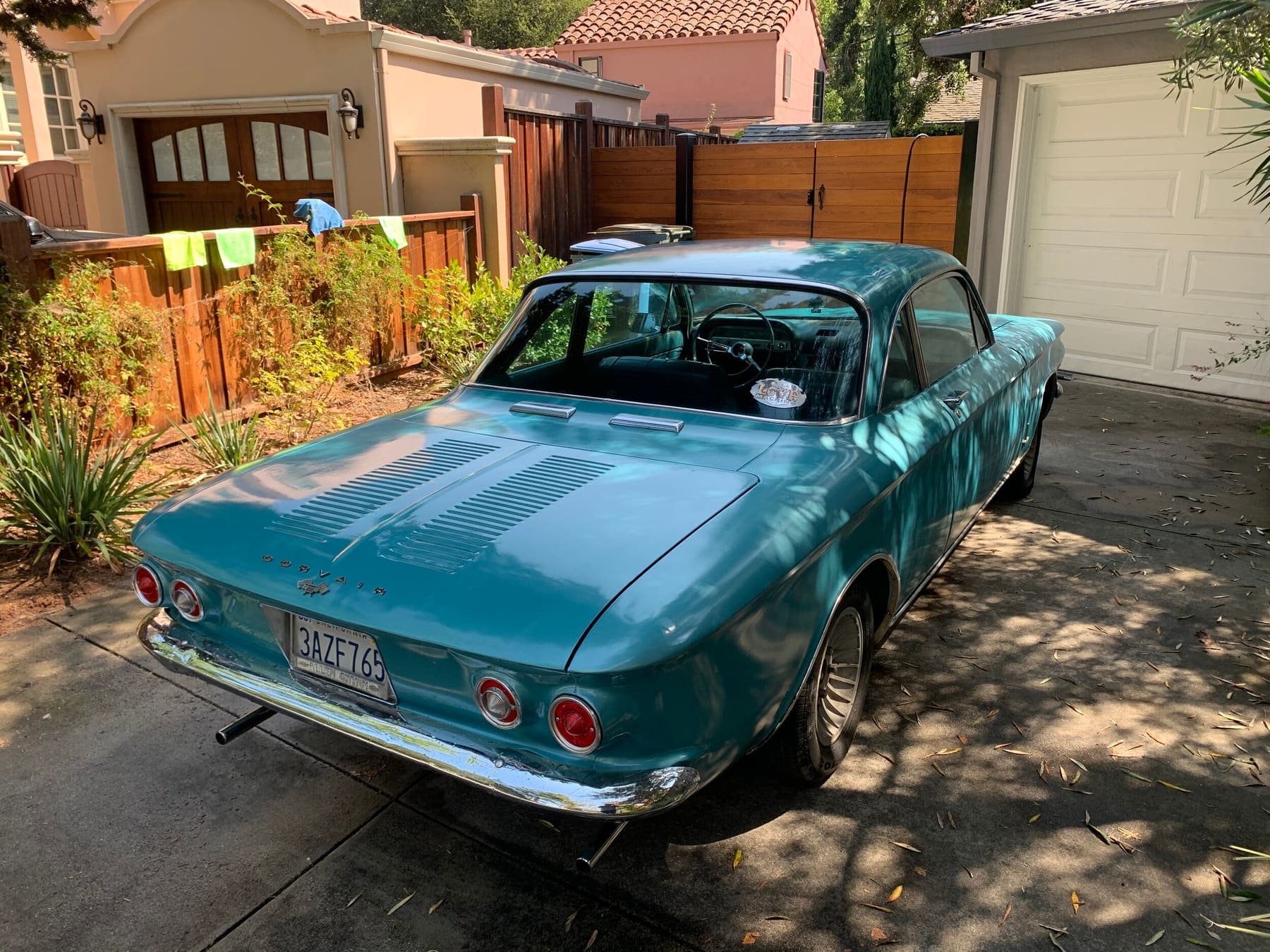
Finished Product
Fixing the Floor
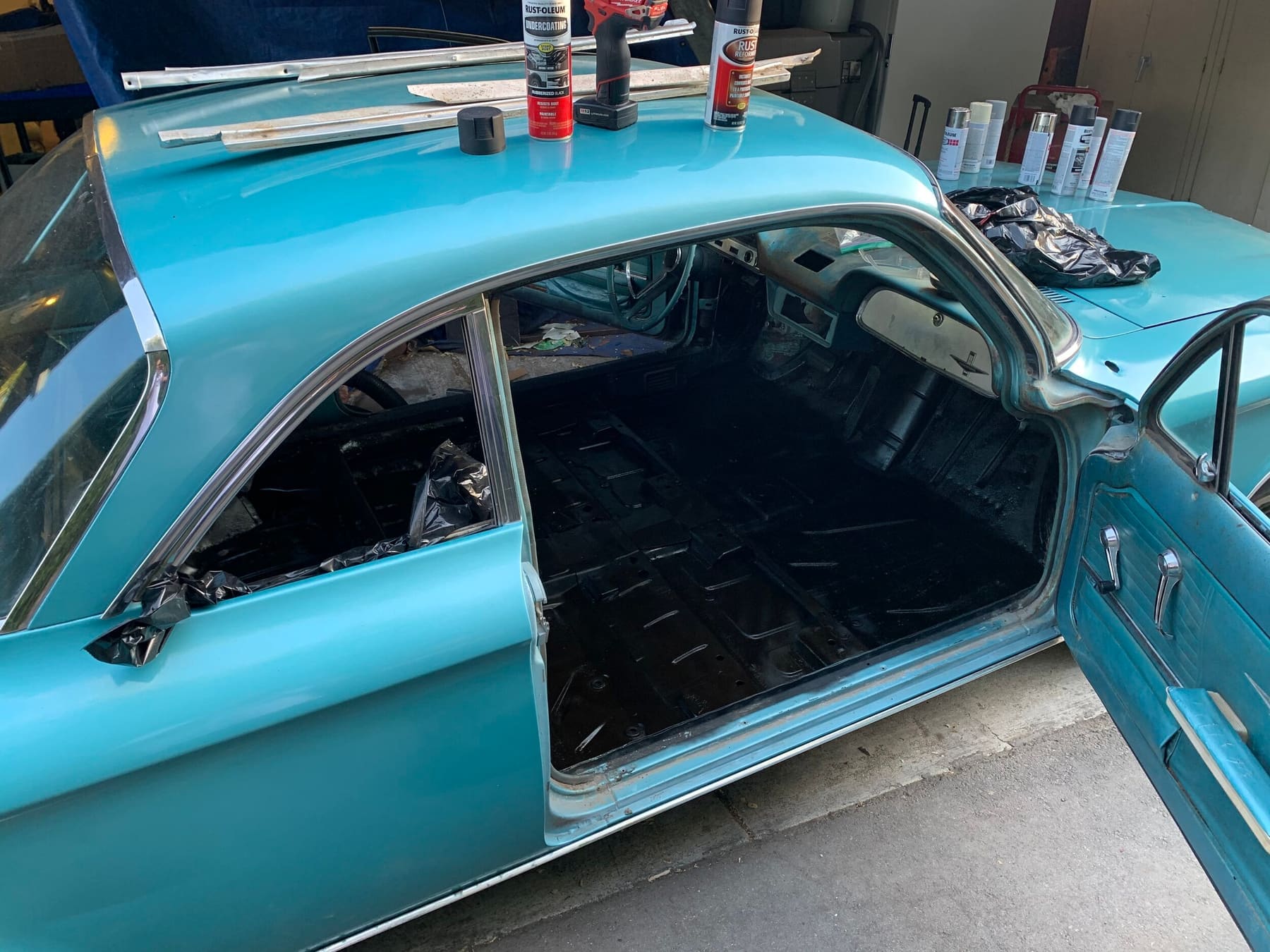
The car came with several rust holes in the floorpan and no sound insulation whatsoever. I cut out the thinnest sections and welded in replacement panels, then sprayed a layer of sound insulation to help keep the car quiet.
Transmission Adjustments
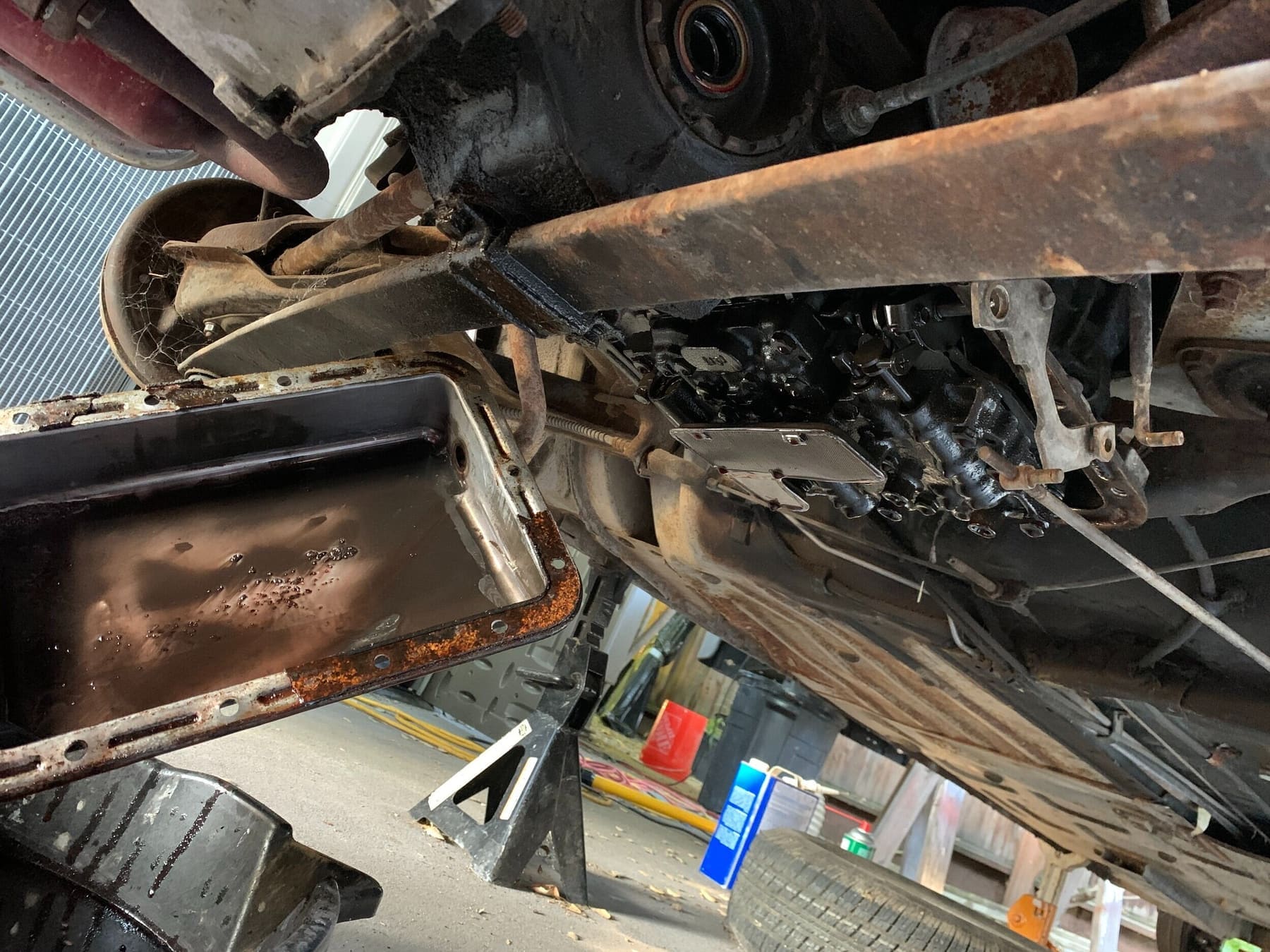
When I got the car, the transmission had been set up stuck in neutral. I adjusted the shift plunger using a depth gauge to get the shift points right — cool insight into how this mechanical plunger uses a pressure differential to decide when to shift.